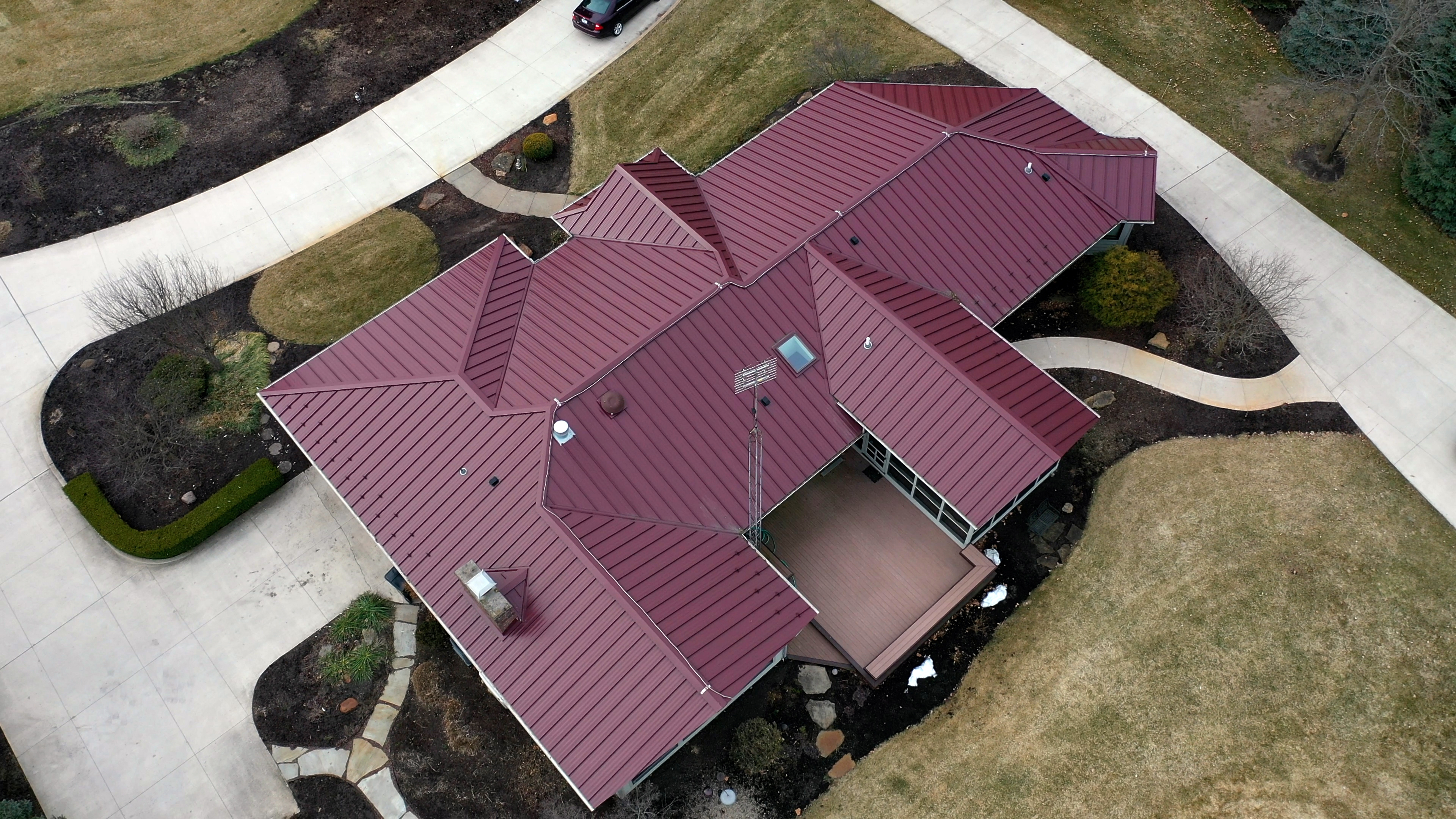
When a Metal Roof Pays Off
Whether a metal roof pays off depends on your situation, and a Sheffield Park homeowner can assess it with a clear framework. Here is when metal makes the most sense as an investment.
When You Stay Long-Term
Metal pays off most for a homeowner staying many years, since its long-term value, longevity, avoided replacements, lower maintenance, accrues over time and is best realized by a long-term owner. The longer you stay, the more the investment returns. A long horizon is where metal's value is fully captured. Staying long-term favors metal. It rewards a long stay. Time in the home matters.
When You Value Durability and Low Maintenance
Metal pays off for a homeowner who values durability, weather resistance, and low maintenance, since these are metal's strengths and align with the investment. If these qualities matter to you, metal's value is more compelling. Valuing what metal offers makes the investment worthwhile. It suits those priorities. The strengths align with the value. It fits those who value them.
When the Budget Allows
Metal pays off when the budget can accommodate the higher upfront cost, since the investment requires that initial outlay to capture the long-term value. For a homeowner who can manage the upfront premium, the long-term return follows. An accommodating budget enables the investment. It requires the initial cost. The budget must support it. It depends on affording the start.
When You Want a Lasting Roof
Metal pays off for a homeowner who wants a roof that lasts and may never need replacing while they own the home, valuing the permanence and peace of mind. If a lasting, low-worry roof appeals to you, metal delivers it. Wanting permanence favors the investment. It suits those seeking a lasting roof. The longevity is the draw. It fits that desire.
When It May Not Pay Off
Metal may not pay off as well for a homeowner planning to move soon, since the long-term value has less time to accrue, or for one whose budget makes the upfront cost a strain. In these cases, asphalt's lower cost may make more sense. Recognizing when metal does not pay off is part of an honest assessment. It is not for every situation. A short stay or tight budget can change it. The fit depends on circumstances.
When It Pays Off, in Short
A metal roof pays off most when you stay long-term, value durability and low maintenance, can accommodate the upfront cost, and want a lasting roof, while it may not pay off as well for a short stay or tight budget. Your situation determines whether the investment makes sense.
One point worth making clear for Sheffield Park homeowners is that the question of whether a metal roof is worth the investment is best answered not by looking at the upfront price alone, which is where metal looks most expensive, but by taking a longer view that accounts for the full life of the roof. It is true that a metal roof costs more to install than an asphalt roof, often a couple of times the price depending on the metal and system, and for a homeowner focused on the immediate outlay, that premium is the dominant fact. But the upfront cost tells only part of the story, because a roof is a long-lived asset, and the two materials have very different lifespans. A quality metal roof can last the better part of a lifetime, while an asphalt roof typically needs replacing every fifteen to twenty years, which means that over the span a single metal roof serves, a homeowner would have to buy and install several asphalt roofs. When the cost is viewed over the roof's lifespan rather than at the moment of purchase, metal's higher upfront price is spread over far more years of service and is offset by the repeated replacement costs it avoids, along with its lower maintenance over the decades. On a per-year basis over a long enough life, metal's cost can become competitive with or even favorable to asphalt. Add to this metal's potential to support resale value, since buyers often appreciate a durable, long-lasting roof they are unlikely to have to replace, and the investment case becomes clearer. The essential caveat is that this long-term value is best captured by a homeowner who stays long enough to realize it, so the timeframe matters a great deal.
It also helps Sheffield Park homeowners to recognize that whether a metal roof is genuinely worth it is an individual question that depends on a homeowner's specific situation, and that an honest answer sometimes points toward metal and sometimes toward asphalt. The factors that most favor metal as an investment are a long time horizon in the home, since the longevity, avoided replacements, and lower maintenance that make up metal's long-term value accrue over time and are best realized by someone who stays many years, a set of priorities that align with metal's strengths, such as valuing durability, weather resistance, low maintenance, and the peace of mind of a roof that may never need replacing, and a budget that can comfortably accommodate the higher upfront cost, since capturing the long-term return requires making that initial investment. For a homeowner who fits this profile, metal often is well worth it. On the other hand, the factors that may make asphalt the more sensible choice are a plan to move relatively soon, which gives the long-term value less time to pay off, or a budget for which the upfront premium would be a genuine strain. For these homeowners, asphalt's much lower initial cost can make more sense, and there is nothing wrong with choosing it. This is why a trustworthy contractor's role is to give an honest assessment for the particular homeowner's situation rather than pushing metal in every case, helping weigh the upfront cost against the long-term value in light of how long they will stay, what they value, and what their budget allows, so that the decision genuinely fits their circumstances.
One point worth making clear for Sheffield Park homeowners is that the question of whether a metal roof is worth the investment is best answered not by looking at the upfront price alone, which is where metal looks most expensive, but by taking a longer view that accounts for the full life of the roof. It is true that a metal roof costs more to install than an asphalt roof, often a couple of times the price depending on the metal and system, and for a homeowner focused on the immediate outlay, that premium is the dominant fact. But the upfront cost tells only part of the story, because a roof is a long-lived asset, and the two materials have very different lifespans. A quality metal roof can last the better part of a lifetime, while an asphalt roof typically needs replacing every fifteen to twenty years, which means that over the span a single metal roof serves, a homeowner would have to buy and install several asphalt roofs. When the cost is viewed over the roof's lifespan rather than at the moment of purchase, metal's higher upfront price is spread over far more years of service and is offset by the repeated replacement costs it avoids, along with its lower maintenance over the decades. On a per-year basis over a long enough life, metal's cost can become competitive with or even favorable to asphalt. Add to this metal's potential to support resale value, since buyers often appreciate a durable, long-lasting roof they are unlikely to have to replace, and the investment case becomes clearer. The essential caveat is that this long-term value is best captured by a homeowner who stays long enough to realize it, so the timeframe matters a great deal.
Find Out if Metal Pays Off for You
Sheffield Park Metal Roofing helps Sheffield Park homeowners assess whether metal pays off for their situation across Johnson County. Call {phone} for a free consultation and an honest take on whether the investment makes sense for you.